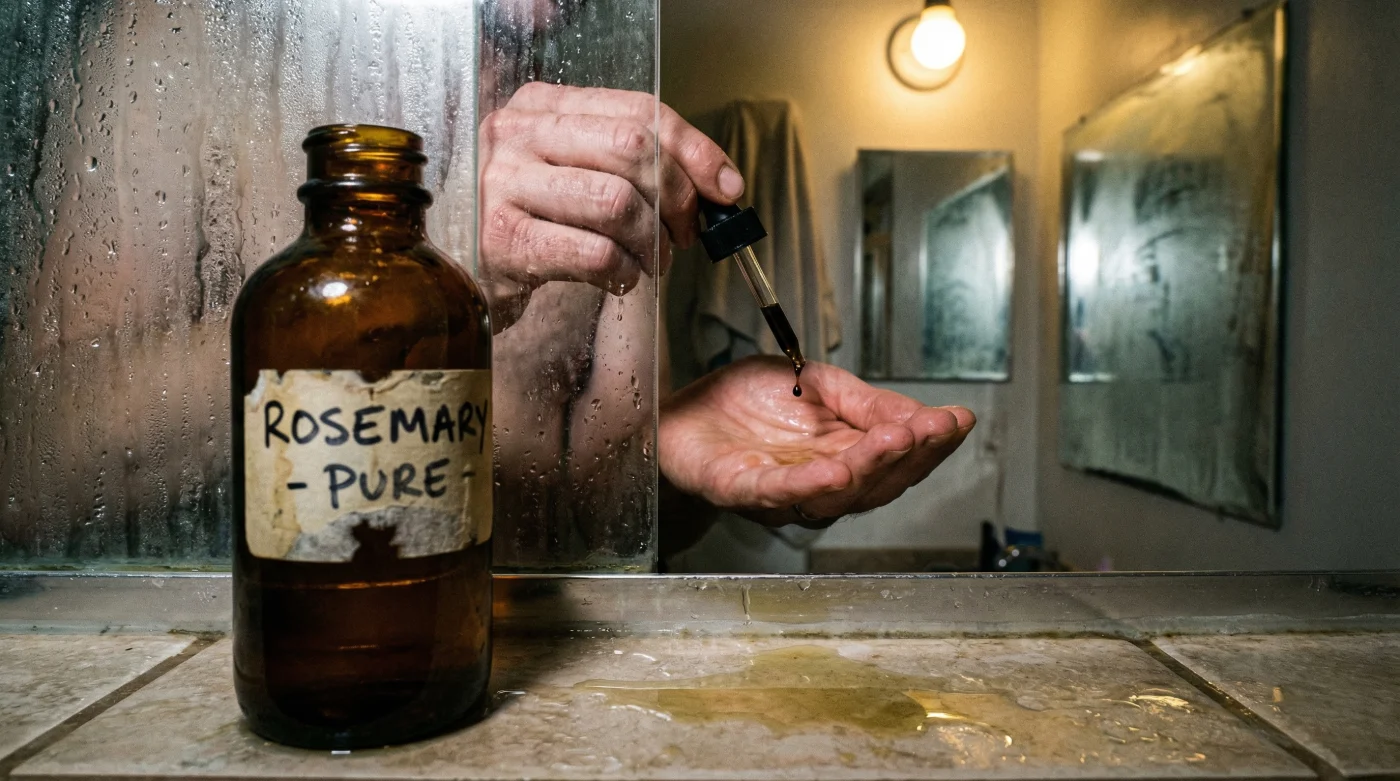
It has become the viral hair growth hack defining the current wellness algorithm: applying Rosemary Oil directly to the scalp to combat thinning hair. With millions of views on TikTok praising its ability to rival pharmaceutical treatments like Minoxidil, bottles of this potent essential oil are flying off shelves nationwide. However, a dangerous misconception is leading to a surge in emergency dermatology visits. While the efficacy of rosemary extract is backed by science, the method of application often circulating online is fundamentally flawed and potentially scarring.
The critical error lies in the concentration. Essential oils are volatile organic compounds, not harmless herbal waters. Applying them ‘neat’—or undiluted—can strip the lipid barrier of the scalp, causing severe contact dermatitis and chemical burns that may permanently damage hair follicles rather than stimulate them. The secret to unlocking the growth potential of this botanical powerhouse without the risk involves a specific carrier mechanism that mimics your skin’s natural biology: Jojoba Oil. Before you reach for that dropper, you must understand the precise chemistry required to turn a potential hazard into a hair-growth miracle.
The Chemistry of Concentration: Why ‘Natural’ Does Not Mean ‘Safe’
Many consumers operate under the false assumption that because an ingredient is plant-based, it is gentle. In reality, pure essential oils are highly concentrated hydrophobic liquids containing volatile aroma compounds. For Rosmarinus officinalis, the primary active components—1,8-cineole, camphor, and alpha-pinene—are powerful solvents. When applied directly to the delicate epidermis of the scalp, they can cause immediate inflammation, leading to a condition known as caustic contact dermatitis.
To navigate this safely, one must understand the difference between the ‘active agent’ and the ‘delivery vehicle.’ The table below outlines the stark contrast between the correct therapeutic application and the dangerous viral trends currently causing scalp injury.
Table 1: The Safety Spectrum – Therapeutic vs. Toxic Application
| Application Method | Target Outcome | Physiological Reaction | Risk Level |
|---|---|---|---|
| Undiluted (Neat) | Rapid absorption | Barrier disruption, erythema (redness), chemical burn, follicle shock. | Extreme |
| Water Dilution | Ease of use | Oil and water separate; pockets of pure oil still hit the skin causing ‘hot spots.’ | High |
| Jojoba Carrier (2-3%) | Follicle stimulation | Lipid barrier reinforcement, controlled absorption, anti-inflammatory effect. | Optimal |
Understanding this distinction is the first step, but selecting the right carrier is equally vital to ensuring the active compounds penetrate the dermis without causing harm.
Why Jojoba is the Biological Standard for Scalp Health
Not all carrier oils are created equal. While coconut or olive oil are popular kitchen staples, they often possess heavy molecular weights that can clog follicles (comedogenic) or fail to penetrate the shaft. Jojoba oil (Simmondsia chinensis) is technically not an oil but a liquid wax ester. Its molecular structure is nearly identical to human sebum, the natural oil produced by your scalp.
- Silk bonnets replace cotton pillowcases to stop breakage during sleep cycles
- Tight braids worn past six weeks permanently damage your follicle roots
- Rosemary oil applied to scalps twice weekly restores thinning edges immediately
- Dry shampoo usage three days straight clogs follicles and stalls growth
- Fermented rice water rinses solidify hair protein bonds for massive growth
Table 2: The Golden Ratio – Scientific Dosing Guide
Precision is key. A ‘dropper full’ is not a unit of measurement when dealing with volatile compounds. Follow this strict mixing guide to maintain a safe therapeutic window.
| Batch Size (Jojoba Base) | Rosemary Oil (Drops) | Dilution Percentage | Use Case |
|---|---|---|---|
| 1 Teaspoon (5ml) | 3-4 Drops | ~2-3% | Daily Maintenance / Sensitive Scalp |
| 1 Tablespoon (15ml) | 9-10 Drops | ~3% | Standard Growth Treatment |
| 1 Ounce (30ml) | 18-20 Drops | ~3-4% | Alopecia / Intensive Treatment |
Once you have mastered the ratio, it is imperative to monitor your scalp’s reaction to ensure you are stimulating growth rather than triggering an allergic cascade.
Diagnosing the Burn: Tingle vs. Trauma
A common myth is that if it burns, it’s working. This is categorically false in the context of dermatology. While Rosmarinus officinalis contains camphor which may provide a cooling or slight tingling sensation due to increased blood flow, pain is a signal of barrier breach. Recognizing the symptoms early can save your hair follicles from permanent scarring.
Troubleshooting Your Scalp Reaction
- Symptom: Mild cooling or slight tingling within 5 minutes.
Diagnosis: Normal Vasodilation.
Action: Continue treatment. - Symptom: Intense heat, itching, or stinging immediately upon application.
Diagnosis: Chemical Irritation.
Action: Wash out immediately with a gentle shampoo. Do not use water alone (oil repels water). - Symptom: Redness, peeling, or weeping sores 24 hours later.
Diagnosis: Contact Dermatitis / Burn.
Action: Cease all actives. Apply plain aloe vera or see a dermatologist. - Symptom: Increased shedding after 4 weeks.
Diagnosis: Possible ‘Dread Shed’ (telogen phase shift) OR inflammation.
Action: If accompanied by irritation, stop. If scalp feels healthy, it may be the follicle cycle resetting.
Identifying these signs ensures you protect the structural integrity of the scalp, but the efficacy of your treatment ultimately relies on the purity of your ingredients.
The Quality Protocol: Sourcing Your Solution
The unregulated nature of the essential oil market means that many products labeled ‘100% Pure’ are adulterated with synthetic fragrances or cheaper oils. Synthetic Rosemary Oil lacks the therapeutic 1,8-cineole required for hair growth and carries a higher risk of allergic reaction. Similarly, refined Jojoba oil loses many of its antioxidant properties during high-heat processing.
Table 3: The Buyer’s Guide – Quality Markers
| Feature | What to Look For (The Gold Standard) | What to Avoid (The Red Flags) |
|---|---|---|
| Rosemary Chemotype | Rosmarinus officinalis ct. Cineole or ct. Verbenone. | Generic ‘Rosemary Scent’ or ‘Fragrance Oil.’ |
| Jojoba Processing | Cold-Pressed, Unrefined (Golden Color). | Refined, Deodorized, or Clear (Heat treated). |
| Packaging | Dark Amber or Cobalt Glass (Protects from UV degradation). | Clear plastic bottles (Chemical leaching risk). |
| Extraction Method | Steam Distilled. | Solvent Extracted (risk of Hexane residue). |
By strictly adhering to high-quality sourcing and precise dilution, you transform a risky trend into a legitimate, science-backed hair care regimen.
Final Verdict: Dilution is the Solution
The allure of faster hair growth can tempt anyone to maximize the dose, but in trichology, more is not better—better is better. The synergy between Rosemary Oil and Jojoba carrier oil creates a balanced environment where the follicle is stimulated without being scorched. By respecting the volatility of essential oils and utilizing the biomimetic properties of Jojoba, you ensure that your journey to thicker, fuller hair is safe, sustainable, and effective.
Read More