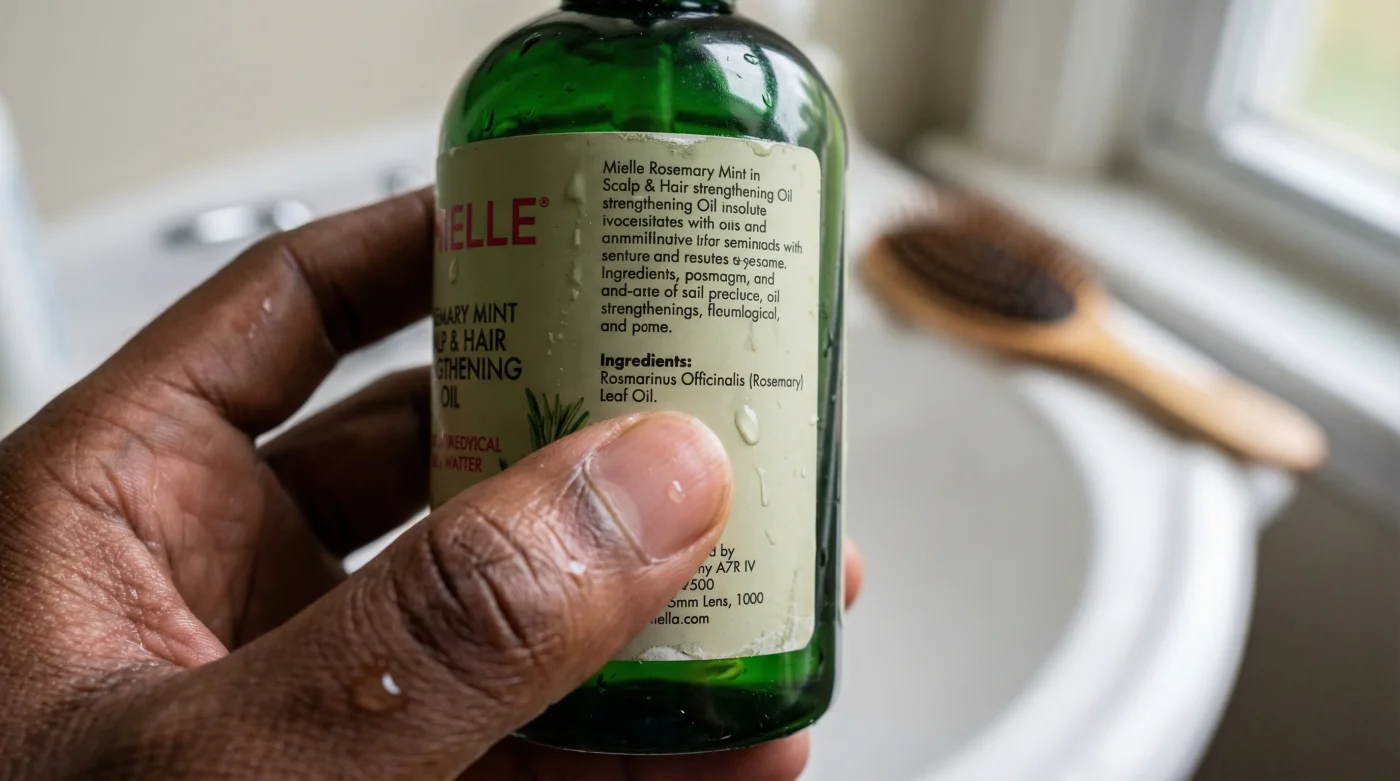
The Community’s Greatest Fear: Did the Acquisition Kill the Cure?
It is a narrative as old as the beauty industry itself: a beloved, community-grown brand achieves massive success, catches the eye of a global conglomerate, and is swiftly acquired. For the devoted users of Mielle Organics, the news of the acquisition by Procter & Gamble (P&G) triggered an immediate, visceral wave of anxiety. The fear? That the “Holy Grail” status of the Rosemary Mint Scalp & Hair Strengthening Oil would be sacrificed on the altar of mass production and profit margins. Social media platforms exploded with skepticism, with users closely inspecting bottles for the dreaded “reformulated” consistency or a shift in the ingredient deck.
The concern was valid. Historically, niche brands often undergo “optimization” post-merger, leading to diluted efficacy and lost trust. However, after months of speculation and viral theories, the verdict is finally in. Founder Monique Rodriguez has issued a definitive statement addressing the integrity of the formula. Before you toss your current bottle or panic-buy “vintage” stock, it is crucial to understand exactly what has remained the same, what the science says about the current efficacy, and why this specific formulation continues to be a non-negotiable staple for hair growth.
The Verdict: P&G, Integrity, and Ingredient Preservation
The primary concern regarding the Mielle Organics merger was the potential dilution of its star player: the Rosemary Mint oil. In a definitive move to quell the unrest, Monique Rodriguez confirmed that despite the P&G partnership, she retains creative control and the formula remains untouched. This is rare in corporate buyouts, but essential for a brand built entirely on trust within the textured hair community.
Separating Viral Fiction from Fact
| Consumer Fear | Viral Rumor | The Official Reality |
|---|---|---|
| Formula Dilution | “The oil looks lighter and smells different.” | No formula change. Natural ingredients vary slightly in color by harvest batch. |
| Chemical Additives | “P&G added fillers to increase volume.” | Ingredient deck remains identical to pre-acquisition stock. |
| Ownership Trust | “They sold out and left the community.” | Mielle operates as an independent subsidiary; Monique Rodriguez remains CEO. |
With the administrative concerns put to rest, we must pivot to the biological reality: why this specific combination of ingredients is worth fighting for in the first place.
The Clinical Mechanics: Why the ‘Original’ Formula Works
- Silk bonnets replace cotton pillowcases to stop breakage during sleep cycles
- Tight braids worn past six weeks permanently damage your follicle roots
- Rosemary oil applied to scalps twice weekly restores thinning edges immediately
- Dry shampoo usage three days straight clogs follicles and stalls growth
- Fermented rice water rinses solidify hair protein bonds for massive growth
Bio-Active Breakdown
| Active Component | Mechanism of Action | Clinical Expectation |
|---|---|---|
| Rosemary Oil (Carnosic Acid) | Nerve tissue healing and improved cellular turnover. | Blocks DHT (hormone linked to hair loss) and mimics 2% Minoxidil efficacy. |
| Peppermint Oil (Menthol) | Vasodilation (widening of blood vessels). | Immediate increase in dermal blood flow; visible “tingle” indicating activation. |
| Biotin (Vitamin B7) | Keratin infrastructure support. | Strengthens the hair shaft to prevent mechanical breakage during styling. |
Understanding the chemistry is powerful, but even the best formula fails if the “dosing” strategy on the scalp is incorrect.
Diagnostics and Dosing: Are You Using It Wrong?
A major point of confusion—often blamed on “bad batches”—is actually user error. Because Mielle Organics utilizes essential oils, the potency requires specific handling. Using too much can clog follicles, while using too little fails to stimulate the follicle.
Troubleshooting Your Scalp Signals
- Symptom: Intense Itching/Redness = Cause: Sensitization to undiluted essential oils. Fix: Mix with a carrier oil (Jojoba) or reduce frequency.
- Symptom: Greasy, Limp Roots = Cause: Over-application/Product buildup. Fix: Apply only to scalp, not hair shaft; clarify bi-weekly.
- Symptom: Dry, Brittle Ends = Cause: Protein/Moisture imbalance. Fix: Focus the oil on the scalp; use a moisturizing deep conditioner on ends.
The Preservation Protocol
| Target Goal | Dosage (Amount) | Frequency & Timing |
|---|---|---|
| Growth Stimulation | 5–8 Drops directly on scalp zones. | Daily or Every Other Day. Massage for 4 minutes (inversion method optional). |
| Split End Repair | Quarter-sized amount emulsified in hands. | Apply to ends 10 minutes before shampooing to protect bonds. |
| Hot Oil Treatment | 1–2 Oz warmed (not boiling). | Once monthly. Cover with plastic cap and heat for 20 minutes. |
Now that you have the correct protocol, the final hurdle is ensuring the bottle in your hand is the genuine article.
Authenticity in the Age of Acquisition
With the retention of the original formula confirmed, the biggest threat to your hair isn’t P&G—it is the counterfeit market. The viral status of Mielle Organics has flooded online marketplaces with dupes that do contain harmful fillers, which consumers often mistakenly attribute to the merger.
To ensure you are applying the authentic, preserved formula:
- Check the Batch Code: Authentic bottles have a printed batch code on the bottom or lower back.
- Smell Test: The genuine formula has a sharp, medicinal herbal scent (Rosemary/Mint). If it smells sweet, floral, or like pure vegetable oil, it is likely a counterfeit.
- Consistency: The oil should be viscous but not sludge-like.
The merger may have changed the boardroom, but the bottle in your bathroom remains the powerhouse it always was—provided you verify your source and respect the potency of the ingredients.
Read More